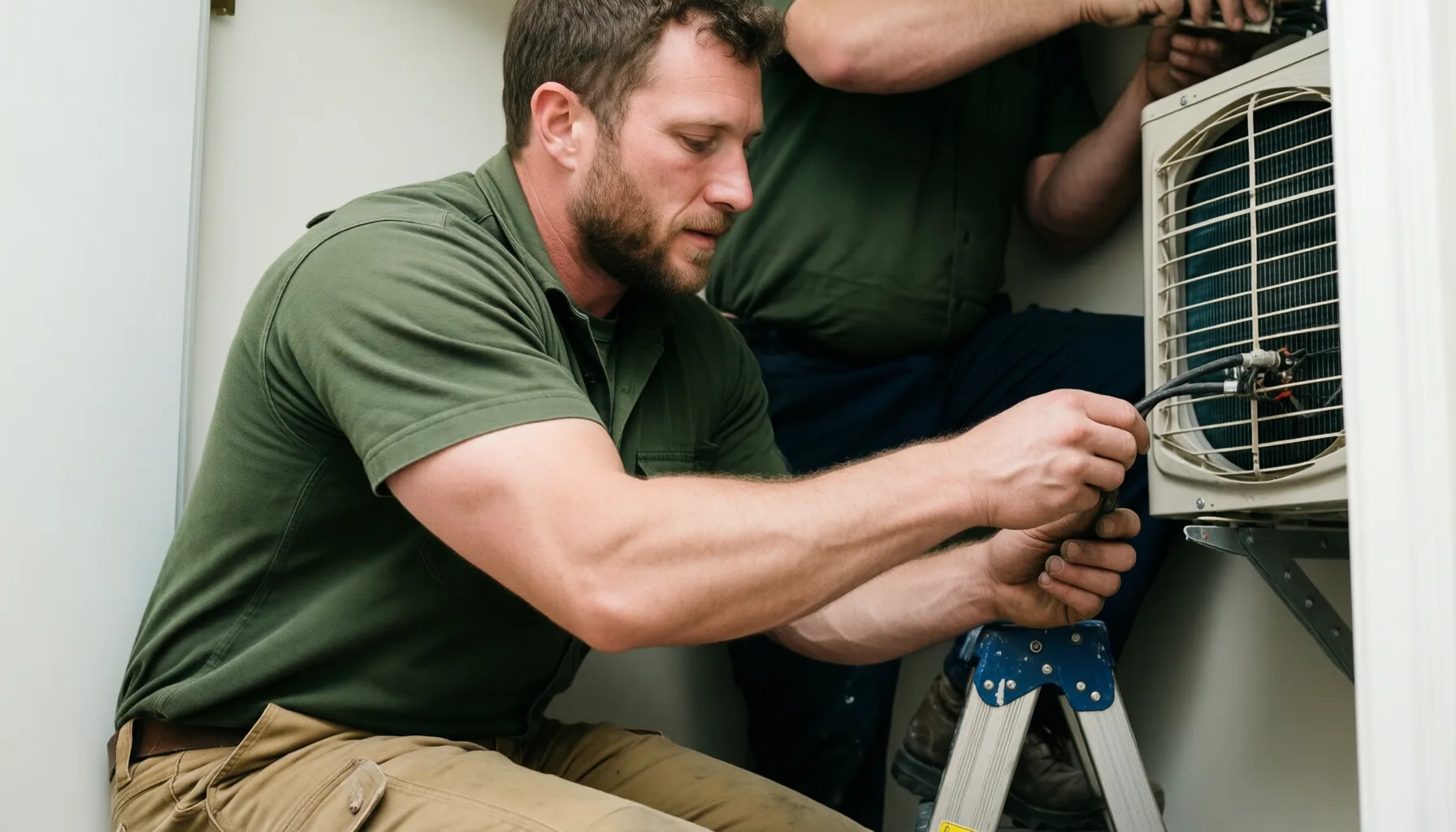
Why AC Load Calculations Are Critical for Miami Comfort
Published: 2026-06-20 · By ReliablePros AC Repair Services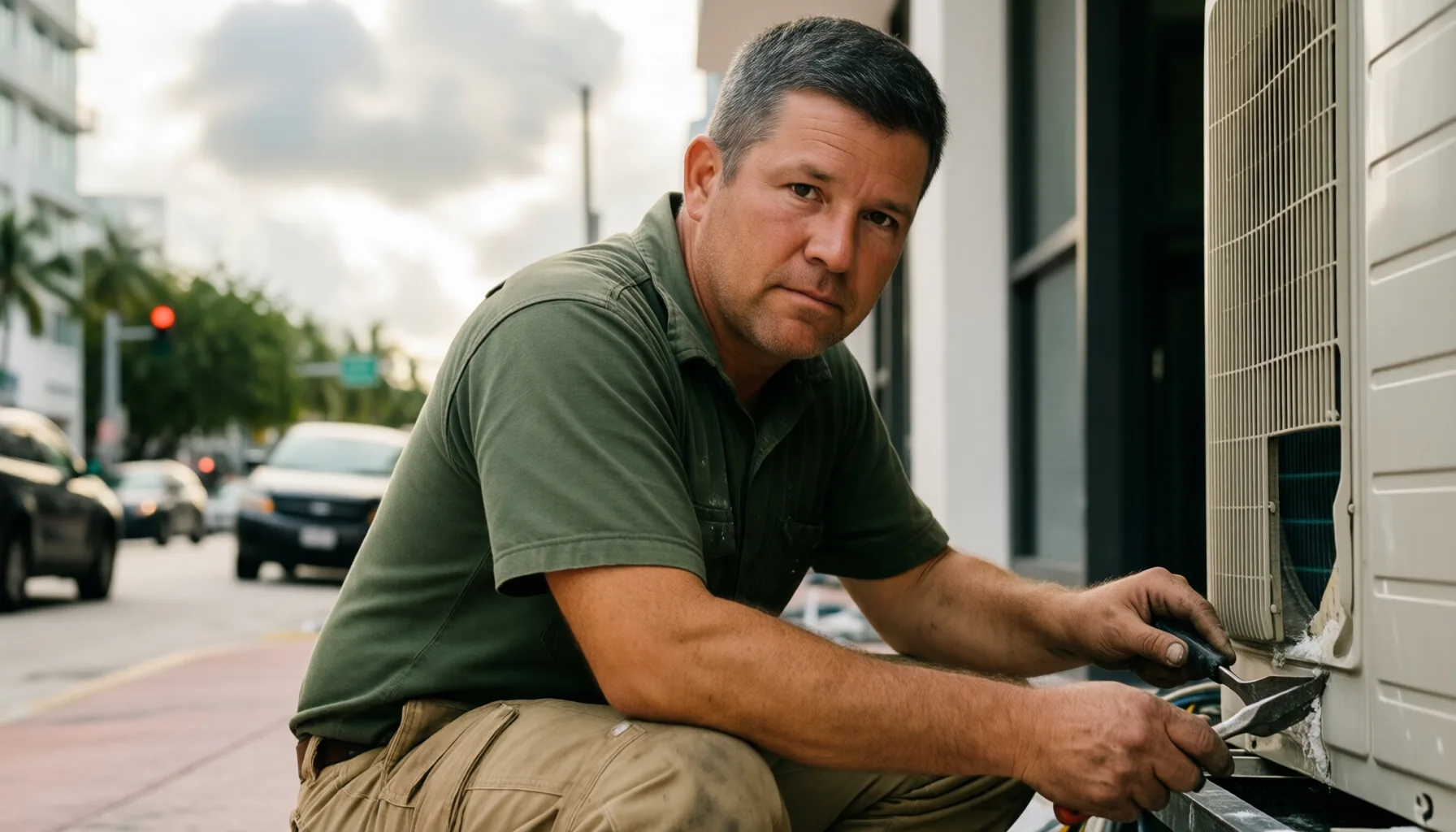
Imagine it's a sweltering July afternoon in Miami, and your air conditioning stops working. With humidity levels soaring, this can quickly turn your home into an uncomfortable sauna. The key to avoiding such scenarios lies in proper AC load calculations, a critical step often overlooked by homeowners. In a city where temperatures can exceed 90°F and humidity levels regularly reach 70% or more, understanding how much cooling power your home truly needs can make the difference between a cool oasis and a sticky nightmare.
Why This Matters for Miami Homeowners
In Miami, the coastal climate presents unique challenges for air conditioning systems. Due to high humidity, your AC unit has to work harder to remove moisture from the air. If your system is improperly sized, it can lead to frequent breakdowns, higher energy bills, and reduced indoor air quality. This situation is exacerbated by the region's salt air, which accelerates corrosion on metal components, reducing the lifespan of your unit.
Furthermore, elevated homes with moisture barriers can complicate the installation of AC systems. An incorrect load calculation may result in inadequate cooling on the upper floors, leading to uncomfortable living spaces. This isn't just a matter of personal comfort; improper calculations can lead to escalated repair needs in the long term.
Expert Solutions & Actionable Tips
1. Understand Your Home's Insulation
Effective insulation plays a vital role in maintaining an optimal temperature in your home. Miami's humid climate demands insulation that can withstand moisture. Investing in improved insulation can help reduce the load on your AC, leading to energy savings upwards of 20%. Check your attic and walls for gaps and consider foam insulation for areas where moisture is prevalent.
2. Consider Sun Exposure
Homes in Miami often experience intense solar heat. If your home has large windows facing the west or south, consider investing in window treatments that can reflect sunlight and keep your space cool. Solar screens or window films can reduce heat gain by as much as 50%, making your AC's job slightly easier. These simple upgrades can help in smoothing out the temperature fluctuations you experience.
3. Evaluate Your Ductwork
Properly functioning ducts ensure that cool air circulates evenly throughout your home. Leaky ducts can lead to cooler air escaping into unconditioned spaces, especially in elevated homes. It’s critical to seal any leaks with appropriate tape and consider duct cleaning for any blockages. Regular maintenance to your duct system can prolong your AC's efficiency and cost under $200 in most cases.
4. Upgrade Aging Equipment
If your air conditioning unit is more than a decade old, it might be worth considering an upgrade. Newer models are more efficient and better suited to handle the Miami climate. Depending on the size and efficiency rating, replacement costs typically range from $3,000 to $7,000, but the investment pays off through reduced energy bills and improved comfort.
5. Monitor Humidity Levels
Installing a humidity sensor in your home can provide insight into the indoor climate. Ideal indoor humidity levels should be between 30-50%. If levels are above this, your AC may be struggling to maintain comfort. Consider a dehumidifier in conjunction with your AC to keep levels in check, especially during storm seasons when moisture is prevalent.
6. Regular Maintenance Checks
Scheduling annual maintenance is essential, especially in Miami's coastal environment. Routine checks ensure that your system runs efficiently and helps identify any potential problems early. Expect to invest around $100 to $150 per service call to inspect and clean your unit, which can save you significant repair costs down the line.
Miami Climate & Local Context
Miami's climate is characterized by its hot, humid summers and mild winters. The city's unique building styles often incorporate elevated homes with moisture barriers to combat potential flooding and corrosion from salty air. These factors impact air conditioning requirements; therefore, understanding local codes and regulations concerning HVAC installations is crucial for compliance and efficiency.
Additionally, because of the potential for tropical storms and hurricanes, Miami homeowners must be cautious about AC installations' locations and drainage. Local permits might be required for new installations, and adhering to established building codes will enhance the longevity of your HVAC equipment.
When to Call a Professional
While some tasks may seem manageable for DIY enthusiasts, there are clear demarcations regarding when to call a professional. HVAC systems are complex, and improper work can result in costly mistakes or unsafe conditions. Knowing what issues to look out for can save you time and headaches.
- AC unit is short-cycling or not cooling effectively.
- Presence of unusual noises or smells during operation.
- Visible refrigerant leaks or excessive condensation.
- Unexplained increases in energy bills.
- Age of the system exceeds 15 years with poor performance.
- Unrestricted airflow from vents.
- Inconsistent temperatures from room to room.
- Faulty thermostat readings or malfunctioning controls.
If you suspect any of these issues, it's wise to contact ReliablePros AC Repair Services for expert assistance before matters worsen.
Frequently Asked Questions
What is an AC load calculation?
An AC load calculation estimates the amount of cooling required to maintain a comfortable temperature in your home. ReliablePros AC Repair Services performs this comprehensive evaluation to ensure systems are correctly sized.
How often should I have my AC system serviced?
In Miami's humid climate, an annual inspection is highly recommended to keep your system running optimally and to extend its life.
Can I perform AC maintenance myself?
While you can clean filters and check for visible issues, professional servicing is essential for thoroughly assessing system performance and identifying hidden problems.
What are common signs my AC needs repair?
Signs include fluctuating temperatures, odd noises, high energy bills, or moisture around the unit, all of which indicate that professional attention may be necessary.
How can humidity affect AC performance?
High humidity can force an AC to work harder to maintain temperature, potentially leading to higher energy usage, wear, and reduced effectiveness over time.
Get Expert Air Conditioning Repair Service in Miami
Maintaining the health and efficiency of your air conditioning system is essential for Miami's tropical climate. Don’t let discomfort affect your home experience. Call (305) 918-4869 to speak with the experts at ReliablePros AC Repair Services today!
Whether you need load calculations or emergency repairs, our team is here to ensure your home stays cool and comfortable year-round.